Website Design Estimate Utah: Cost Ranges, Examples, and What Drives Price
March 9, 2026

As I talk to business owners across the Wasatch Front about website projects, the most common question I hear is:
“How much does a website cost?”
Many of these conversations begin with someone asking for a website design estimate in Utah, hoping to understand what type of investment makes sense for their business.
My answer is usually the same.
“Well… that’s very similar to asking, how much does a car cost? It depends on what kind you want.”
If you were buying a used Toyota, that would be far less expensive than purchasing a brand-new Cybertruck. The same principle applies to websites. A simple template site for a new business will cost far less than a fully customized platform with integrated business systems, a strategic SEO plan, and a large content hub.
In this article, I’ll break down the typical pricing ranges for websites in Utah based on the features, size, and level of customization required.
In general, there are four common paths when building a website that can impact your cost:
- The DIY builder
- A freelance developer
- A small agency
- A strategic growth partner
The scales of website development tip, depending on several variables.
Before choosing a direction, most business owners weigh three main factors: time, money, and goals.
The route you choose often depends on your business size, your budget (money and time), and your long-term goals. There is no “good” or “bad” option. Each approach exists because it solves a different need.
These are a few categories with low-cost or high-cost outputs. Pulling different levers in these buckets can impact the pricing of your project.
- Template design vs. custom design
- Beginner-friendly platforms vs. scalable development platforms
- Informational websites vs. conversion-optimized marketing platforms
- Simple architecture vs. complex systems with API integrations
- Guesswork vs. researched strategy
- Quick deployment vs. long-term scalability
Utah Website Design Estimate Utah Comparison
The chart below provides a simplified comparison of website costs in the Utah market. As investment increases, so does the depth of design, strategy, SEO, integrations, and long-term performance.
Website Cost Comparison (Utah Market)

DIY Website Builders ($500–$3,000)
Starter websites are great for new business owners who simply need an online presence. Many entrepreneurs who are networking or meeting potential customers in person just need an online platform where people can verify what they do.
Platform Examples
What’s Included
- pre-built templates
- easy drag-and-drop editing
- simple merchant tools are available
- limited customization
- domain and hosting are often bundled with the platform
Limitations
- limited SEO structure
- minimal integrations
- limited scalability
- fewer API capabilities
Good fit for
- Startups
- side projects
- very small businesses
Freelancer Websites ($3,000–$10,000)
Freelancer-built websites are often the next step after DIY platforms. Many small business owners reach this stage when they want something more polished and customized than a template, but are not yet ready to invest in a full agency partnership.
Freelancers typically build websites using WordPress themes or modified templates, offering greater flexibility while keeping costs manageable.
Platform Examples
- WordPress theme builds
- Webflow builds with custom template modifications
What’s Included
- customized templates or theme builds
- basic brand styling and layout customization
- a small number of custom pages (3–10 pages)
- basic SEO setup, such as keywords, titles, and descriptions
- simple contact forms or booking tools
Limitations
- limited long-term support
- fewer integrations with business systems
- minimal conversion strategy
- analytics and tracking are often not fully configured
Freelancers often excel in one area of development—design, development, SEO, or content—but it can be difficult for a single person to specialize deeply in every discipline.
Good fit for
- local service businesses
- small professional practices
- companies needing a simple but customized website
Small Agency Websites ($10,000–$18,000)
Small agency websites typically include more structure, planning, and branding support than freelancer-built sites. Agencies often provide collaborative design, professional copywriting, and more strategic site organization. These websites are usually designed to help a business establish credibility and begin using its website as a marketing tool.
Platform Examples
- WordPress builds
- Webflow builds
- custom CMS configurations
What’s Included
- custom website design aligned with brand identity
- professional copywriting
- structured page layouts and navigation
- content management system setup
- basic SEO architecture
- analytics and tracking setup
- form integrations for lead capture
Limitations
- basic marketing automation
- limited CRM integrations
- simple API connections
- advanced analytics may require additional services
Good fit for
- established small businesses
- companies beginning to invest in digital marketing
- organizations wanting a professionally designed online presence
Examples of Integrations
- basic CRM systems
- marketing automation tools
- simple analytics dashboards
- scheduling platforms
Strategic Growth Websites ($18,000–$40,000+)
Strategic growth websites are designed for companies that rely on their websites as a core part of their marketing and lead-generation strategy. At this level, a website moves beyond being a simple brochure and becomes a digital growth platform. These projects typically involve deeper planning, advanced integrations, and scalable infrastructure designed to support long-term marketing and operational needs.
Platform Examples
- custom WordPress architecture
- API-connected platforms
- integrated CRM and marketing systems
What’s Included
- conversion-focused messaging
- SEO architecture and keyword planning
- custom UX/UI design
- CRM integrations
- marketing automation connections
- analytics tracking
- advanced forms and workflows
- scalable WordPress architecture
- API integrations with internal systems
Limitations
- longer planning and development timelines
- greater upfront investment
- additional maintenance and ongoing support needs
Good fit for
- builders and contractors
- manufacturers
- professional service firms
- companies generating $1M–$5M+ revenue
- businesses actively investing in marketing and lead generation
Examples of Integrations
Strategic websites often connect to tools such as:
- CRM systems
- ERP platforms
- quoting or estimating tools
- marketing automation platforms
- lead routing systems
- analytics dashboards
- scheduling systems
What Drives Website Pricing
At JamboJon, I often tell new clients that the first question is, are we the right development team for their website? The second question is defining the scope of the project.
Several key factors influence both the cost and complexity of a website build.
Strategy & Planning
Every successful website starts with a clear path. We identify the problems you solve, the people you serve, and the journey your customers are on. Through messaging, positioning, and buyer psychology, we help shape a website that guides visitors toward action.
Custom Design
Design should create a connection, not just decoration. Mobile-first layouts, clear visual structure, and thoughtful branding help visitors navigate your site with confidence while reinforcing your company’s identity.
Copywriting
Copy is one of the core building blocks of every JamboJon page. Strong messaging clarifies your offer, positions your customer as the hero of the story, and encourages the next step.
Integrations & APIs
Websites often need to connect with tools behind the scenes. Forms, CRM systems, analytics platforms, email marketing tools, shopping carts, memberships, and other integrations can expand what your website can do.
SEO Architecture
Strong websites require a strong structure. Keyword strategy, metadata, internal linking, image optimization, and technical SEO help make your website easier for both users and search engines to navigate.
Additional Features & Systems
Many websites include functionality beyond standard pages. Features such as:
- eCommerce stores
- learning management systems (LMS)
- membership portals
- event management tools
- marketing automation platforms
These systems often require additional setup, integrations, and testing, which increases the overall scope of the project.
When planned carefully, they can turn a website into a platform that supports sales, education, community building, and ongoing customer engagement.
How to Estimate Website Design Costs in Utah
The chart below provides a simplified website design estimate for Utah businesses, showing how costs typically scale depending on the type of developer and the complexity of the project.

Before requesting proposals, businesses should consider:
- Do you need lead generation or just an online presence?
- Will your website connect with CRM or marketing tools?
- Are you planning to invest in SEO growth?
Do you need custom workflows or automation?
Examples of projects, their owners, and what’s included:
Example 1: Startup Contractor
A new contractor or small service provider often needs a simple website that supports referrals, networking groups, and word-of-mouth marketing. The goal is to create a credible online presence so potential customers can quickly verify the business and understand the services offered.
Revenue: $120,000
Website type: Freelancer-style starter website
Estimated investment: $5,000–$6,500
Typical features
- 4–5 core pages (Home, About, Services, Contact)
- clear descriptions of services offered
- simple contact form or phone call CTA
- basic on-page SEO setup
- lightweight brand styling and layout
Projects similar to this type of site often serve businesses such as local trades, small consulting firms, or early-stage service providers that primarily generate customers through referrals and networking.
The main goal is credibility—a place online that confirms what the business does and makes it easy for people to reach out.
Example 2: Growing Local Business
As a company grows, the website often shifts from a simple brochure to a tool that actively supports marketing and lead generation.
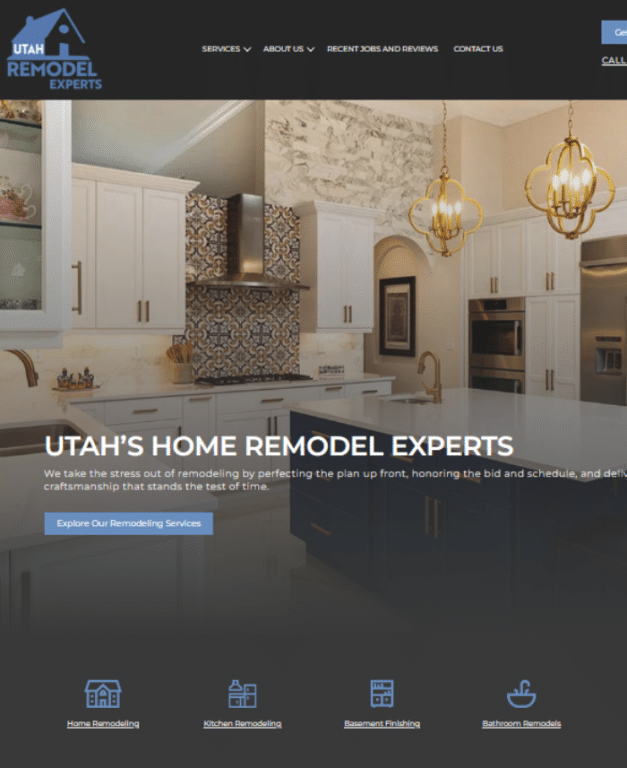
Businesses like ArriveHome.org, or HOALiving fall into this category—companies that need a stronger brand presence and a website that guides visitors to take action.
Revenue: $600,000
Website type: Small agency website
Estimated investment: $10,000–$18,000
Typical features
- custom design aligned with the brand
- structured messaging that explains the problem being solved
- conversion-focused service or landing pages
- analytics and conversion tracking
- structured SEO architecture
- integrations with scheduling, forms, or CRM systems
At this stage, the website becomes a marketing tool rather than just an online brochure. It helps businesses capture leads, answer common customer questions, and build trust before a call or meeting.
Example 3: Scaling Builder or Manufacturer
Larger companies often rely heavily on their websites for visibility, recruiting, authority, and lead generation. For builders and manufacturers, especially, the website becomes a central hub connecting marketing, sales, and brand credibility.
Projects like NLHBuilders.com, SpenglerIndustries.com, and dbUrbanCommunities.com are examples of companies operating at this level.
Revenue: $2.5M+
Website type: Strategic growth platform
Estimated investment: $18,000–$40,000+
Typical features
- custom UX design and messaging strategy
- advanced SEO architecture and content planning
- CRM integrations and marketing automation
- advanced forms and workflow automation
- analytics dashboards and tracking systems
- a larger content hub to support search visibility
At this level, the website becomes part of the company’s growth infrastructure, helping attract new customers, support marketing campaigns, and strengthen brand authority in the market.
Example 4: Healthcare Lead Generation Platform
Healthcare providers often need websites that do more than simply describe their services. Patients usually arrive with questions, concerns, and uncertainty, so the website must educate, build trust, and guide visitors toward scheduling an appointment.
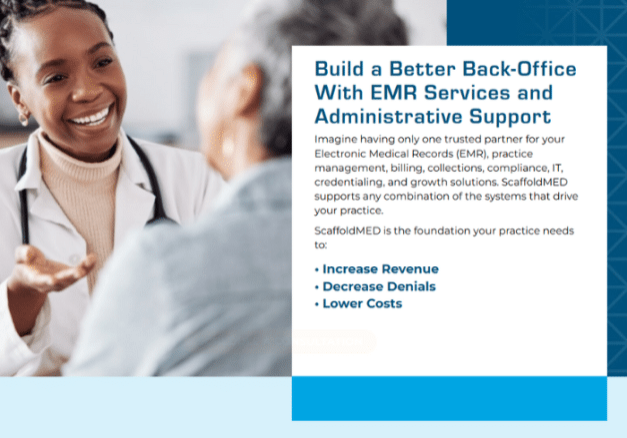
Projects like ArthritisKneePainCenters.com are good examples of this type of platform. Healthcare websites often require stronger messaging, educational content, and careful user experience design to help patients understand their options and feel confident taking the next step.
Revenue: $1M–$5M+ practice group
Website type: Strategic healthcare marketing website
Estimated investment: $18,000–$35,000+
Typical features
- patient-focused messaging and educational content
- custom UX designed to guide visitors through treatment options
- appointment request forms and conversion tracking
- strong SEO architecture for treatment-based searches
- video integration and patient education resources
- analytics tracking to measure patient inquiries
Healthcare websites often place a strong emphasis on clarity, trust, and patient education. In many cases, patients spend time researching their symptoms and treatment options online before deciding to schedule an appointment.
Because of this, the website becomes an important tool for helping patients understand their choices and connecting them with the care they need.
Ready to Explore Your Website Options?
If you are considering a new website or wondering whether your current one is supporting your business the way it should, it may be time to explore what the next step looks like. Every company is at a different stage of growth, and the right solution depends on your goals, your timeline, and the role your website plays in your marketing and operations. At JamboJon, we help businesses think through these decisions and map out a website strategy that fits their stage and vision.
If you would like help preparing a website design estimate for your Utah business, our team at JamboJon would be happy to review your goals and outline a project scope that fits your stage of growth.